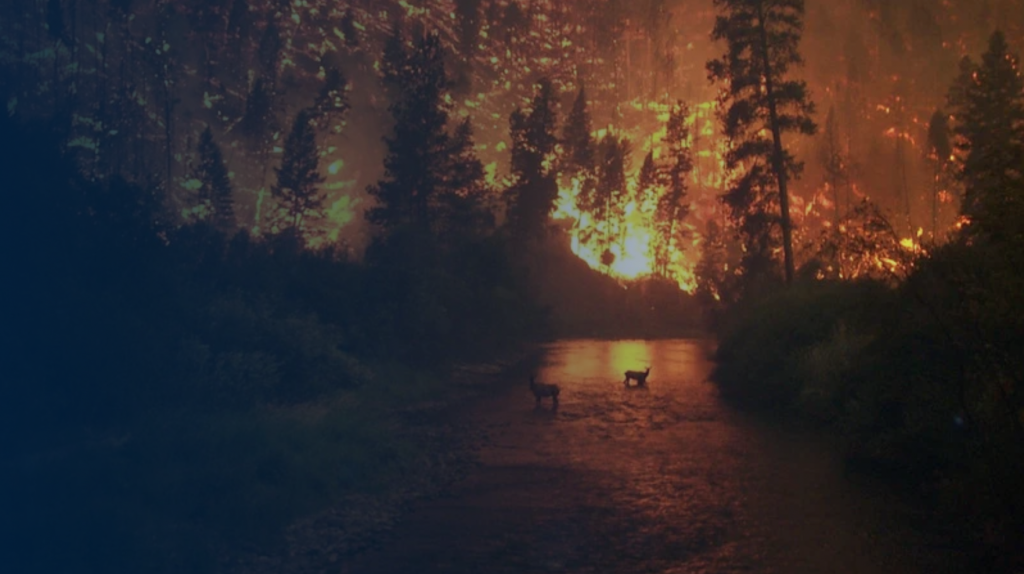
Paris is burning. Brussels is sweltering. As Europe endures a summer of new record-breaking temperatures with more than 1,000 recorded deaths triggered by continuous heatwaves, the nature of the European Green Deal has returned to the centre of the debate.
The European Green Deal has become one of the European Union’s defining projects. The initiative is built on the premise that the continent aims to ensure zero emissions by 2050, thereby becoming the first climate-neutral continent. The Deal mainly focuses on responsible and more efficient energy consumption and burning fossil fuels. Brussels initially shaped the conception of the Deal as a means to efficiently manage winter energy consumption, yet each summer demonstrates that extreme heat is becoming just as pressing a policy challenge as winter energy security.
The reduction of Europe’s reliance on Russian gas has been accelerated by the implementation of this framework. However, the overreliance on imported raw materials, and other sorts of technological means seem far beyond inevitable; particularly concerning as China’s dependence grows. This situation creates a new dilemma: how can the EU pursue climate neutrality without increasing its exposure to major international security and economic risks?
Undoubtedly, the answer is not to slow the green transition, nor to embrace protectionism. Instead, the EU must continue to treat sustainability and economic security as complementary target objectives. In fact, the EU already acknowledges this policy dilemma and has identified more than 35 climate related risks through the Climate and Security Trend Analysis Report, including food and water scarcity, human mobility, geopolitical complexities, or financial decision-making. Nonetheless, there is still a lack of focus by the European External Action Service (EEAS).
This approach should then be guided by three key priorities. First, Europe shall continue to
expand investments in strategic sectors where it can build competitive advantages, such as
emergency technologies or clean technologies. Second, the EU must diversify supply chains through stronger partnerships, as we have been seeing through the EU-Australia Trade Agreement, EU-Chile Trade Agreement, or the EU-Mercosur Trade Agreement. And third, completing the Single Market, across energy, digital, or capital markets, would eventually allow firms to innovate, scale and compete more effectively.
The challenge here is no longer whether to pursue a common sustainable future or not. It is whether the Union learns to successfully integrate both sustainability and security into a coherent economic strategy. Additionally, the European Green Deal needs to evolve essentially from solely mitigating climate change to developing tools in order to adapt to its consequences. Achieving this requires balancing decarbonisation with energy security, competitiveness, and ensuring that climate policies aim to protect both the environment and its citizens.
Samuel Luis González, Investigador de ATLAS